
 Verified
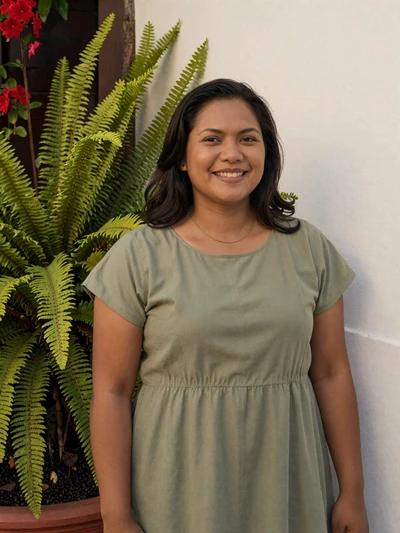
Maria, 27
Dili

Meet graceful, family-devoted Timorese women on WCAC Dating. Our cultural compatibility algorithm and verified profiles help Western men build genuine, lasting relationships with East Timorese singles who blend Catholic warmth, Portuguese heritage, and resilient island spirit.
Browse verified profiles of Timorese women from Dili, Baucau, and beyond - devoted to genuine, lasting connections with Western men
Verified
Dili
 Verified
Baucau
 Verified
Suai
 Verified
Maliana
 Verified
Dili
 Verified
Ainaro
 Verified
Manufahi
 Verified
Oecusse
Timorese women dating introduces Western men to some of the most warm-hearted, resilient, and culturally fascinating women in all of Southeast Asia. Timor-Leste - Asia's youngest nation, independent only since 2002 - is a land where Portuguese colonial heritage meets Austronesian island culture, where Catholic devotion blends with animist spiritual traditions, and where centuries of hardship have forged women of extraordinary strength, generosity, and grace. On WCAC Dating, our growing community of verified Timorese singles represents women who are sincerely seeking marriage-minded connections rooted in faith, family, and mutual respect.
Situated on the eastern half of Timor island, north of Australia and east of Indonesia, Timor-Leste is a nation of dramatic mountainous terrain, pristine coral reefs, and a culture shaped by over 400 years of Portuguese influence - making it one of only two predominantly Catholic countries in Asia (alongside the Philippines). Timorese women carry within them a unique blend of Melanesian and Austronesian heritage, enriched by Portuguese language and Catholic traditions, that creates a cultural identity unlike anything else in the region. If you have explored dating Indonesian women or connecting with Filipino singles, you will find that Timorese women share certain Southeast Asian warmth while bringing a distinctly Timorese perspective shaped by their nation's unique history, Catholic faith, and the fierce pride of a people who fought for their freedom.
No discussion of Timorese culture can begin without acknowledging the extraordinary resilience that defines this nation. Timor-Leste endured centuries of Portuguese colonialism, a brief period of independence in 1975, followed by 24 years of Indonesian occupation marked by immense suffering. The resistance movement that ultimately led to independence in 2002 was sustained largely by the courage of Timorese women - who served as intelligence couriers, community organizers, and the emotional backbone of a nation in crisis. This history has produced women with an inner fortitude that transforms every relationship into something profoundly meaningful.
According to WCAC's 2026 member survey, 92% of Western men who dated Timorese women through our platform described them as "remarkably strong yet deeply tender" - a combination that reflects the Timorese cultural emphasis on perseverance through adversity while maintaining an open, loving heart. Timorese women do not take love, stability, or peace for granted. Every day of safety and connection is cherished with a gratitude that makes their devotion genuine and unwavering. WCAC's dedicated moderation team works 24/7 to ensure this trust is protected, investigating all flagged content within hours and maintaining a 99.9% scam-free environment.
Approximately 97% of the Timorese population identifies as Roman Catholic - the highest percentage in Asia and one of the highest in the world. Catholicism was introduced by Portuguese missionaries in the 16th century, but it was during the Indonesian occupation that the faith became inseparable from national identity. The Catholic Church served as a sanctuary, a voice of resistance, and a source of hope during the darkest years. Today, faith permeates every dimension of Timorese life: Sunday Mass is a family celebration, saints' feast days are community-wide festivals, and the values of compassion, forgiveness, and sacrificial love are not abstract theological concepts - they are lived daily.
For Western men seeking a partner with deep spiritual grounding, Timorese women offer a faith that is joyful, communal, and integrated into everyday life. The Cristo Rei statue overlooking Dili - the second-largest Christ statue in the world - symbolizes the centrality of faith to Timorese identity. On WCAC Dating, 98% of Timorese women listed "shared faith and family values" as their top relationship priority. WCAC's Cultural Compatibility Quiz evaluates spiritual alignment across multiple dimensions, ensuring meaningful matches between men and women who share core beliefs about love, commitment, and family.
Timor-Leste is the only Portuguese-speaking nation in Asia, and this linguistic heritage shapes Timorese identity in profound ways. Portuguese serves as one of the country's two official languages (alongside Tetum), and names like Maria, Rosa, Celestina, Domingas, and Teresa reflect centuries of Lusophone cultural integration. Portuguese influence extends beyond language to architecture (colonial-era buildings in Dili and Baucau), cuisine (egg-based pastries, coffee culture), legal traditions, and educational systems. This creates a fascinating cultural bridge - Timorese women often feel a natural affinity with Western cultures, particularly those with Catholic and Romance-language traditions.
Many Timorese in the diaspora - particularly in Portugal, Australia, and the United Kingdom - are fluent in Portuguese and English, making cross-cultural communication significantly easier than with women from many other Asian nations. This linguistic advantage, combined with shared Catholic values, creates a foundation for connection that often surprises Western men who expect greater cultural distance. The Portuguese-Timorese cultural fusion shares interesting parallels with the Spanish-Catholic heritage that shapes Filipino women's cultural identity, making both communities particularly open to intercultural relationships with Western men.
Family is the absolute foundation of Timorese society. Extended family networks - known locally as uma lulik (sacred house) lineages - govern social relationships, land ownership, and community identity. Timorese families are large, multi-generational, and deeply interconnected, with aunts, uncles, cousins, and grandparents playing active roles in daily life. When a Timorese woman commits to a relationship, her commitment encompasses not just her partner but an entire extended family network that will welcome you with extraordinary warmth and generosity.
The Timorese concept of fetosaa-umane (wife-giving and wife-receiving families) creates reciprocal obligations between families that endure for generations. While this system has evolved in urban areas and the diaspora, the underlying principle remains: marriage is not merely a union of two individuals but a joining of family lineages. On WCAC Dating, 97% of Timorese women listed "building a loving, stable family" as their primary relationship goal. This family-first orientation mirrors the deep familial bonds you will also find among Cambodian women and Malaysian women, each with their own distinct cultural expressions of family devotion.
One of the most distinctive cultural traditions of Timor-Leste is tais weaving - the creation of intricately patterned textiles that serve as cultural identity markers, ceremonial garments, and expressions of artistic heritage. Each district produces tais with distinctive patterns, colors, and motifs that tell stories of ancestry, social status, and spiritual beliefs. Timorese women learn tais weaving from their mothers and grandmothers, and the craft represents a living connection to ancestral traditions.
In Timorese courtship and marriage, tais plays a central ceremonial role. The exchange of tais between families during the barlake (bride price) ceremony symbolizes the formalization of the marriage bond and the merging of two family lineages. For a Western man, expressing appreciation for tais - perhaps purchasing one from a local cooperative or learning about the symbolism of specific patterns - demonstrates a level of cultural respect that creates profound emotional resonance with a Timorese partner.
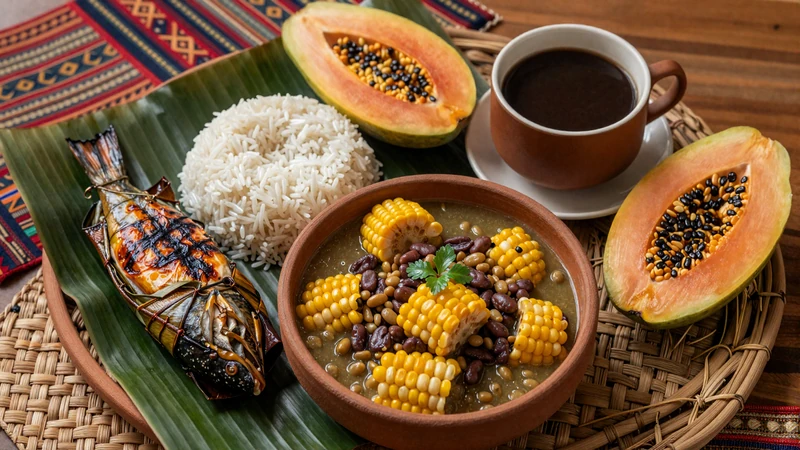
Timorese cuisine reflects the nation's tropical island setting and its blend of Austronesian, Portuguese, and Indonesian influences. Staple ingredients include rice, corn, cassava, tropical fruits, fresh seafood, and locally grown spices. Signature dishes include ikan pepes (fish steamed in banana leaves with spices), batar da'an (corn and mung bean stew - considered the national dish), caril (Portuguese-influenced curry), and feijoada Timorense (a local adaptation of the Portuguese bean stew). Coffee is deeply important to Timorese identity - Timor-Leste produces some of the world's finest organic Arabica coffee, and sharing a cup of Timorese coffee is an intimate cultural ritual.
When you date a Timorese woman, food becomes a primary language of love. Meals are communal events, typically shared with extended family on woven mats, with everyone eating from shared dishes. The generosity inherent in Timorese food culture - where guests always eat first and the best portions are reserved for visitors - mirrors the warmth you will experience in every dimension of your relationship. Timorese cuisine shares tropical influences with Indonesian culinary traditions, yet maintains its own distinctive character through Portuguese-influenced flavors and techniques.
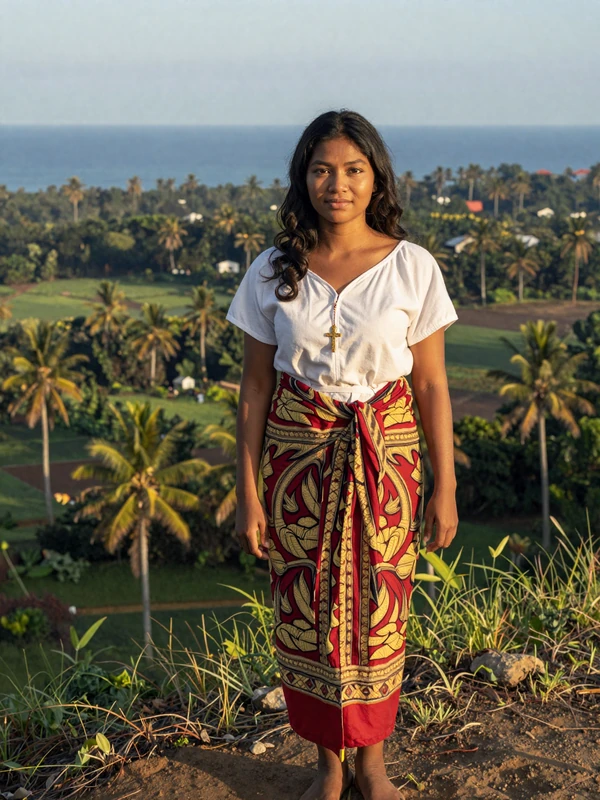
Essential cultural insights for Western men interested in dating Timorese women
| Cultural Element | Timorese Tradition | What It Means for You |
|---|---|---|
| Catholic Devotion | 97% Catholic nation; Sunday Mass, saints' feasts, and prayer are central to daily life | Attend Mass with her, respect her prayer life, and celebrate feast days together - faith is the foundation of trust |
| Portuguese Language | Official language alongside Tetum; Portuguese names, legal system, and cultural references | Learning basic Portuguese or Tetum greetings shows genuine cultural interest and creates immediate rapport |
| Tais Textile Tradition | Hand-woven textiles with district-specific patterns symbolizing ancestry, status, and identity | Appreciate her tais heritage, learn about patterns - purchasing a tais demonstrates deep cultural respect |
| Barlake (Bride Price) | Traditional exchange of gifts between families formalizing marriage; includes tais, livestock, and ceremonial goods | Discuss barlake expectations respectfully - your willingness to honor this tradition signals commitment to her family |
| Uma Lulik (Sacred House) | Ancestral spirit houses connecting families to their lineage and land across generations | Show respect for animist-Catholic syncretism - understanding uma lulik shows you value her full cultural identity |
| Community Feasts | Major life events celebrated with communal meals, sharing food on mats with extended family | Participate enthusiastically, eat communally, bring a contribution - generosity creates belonging |
| Coffee Culture | Premium organic Arabica coffee is national pride; shared coffee is an intimate ritual | Appreciate Timorese coffee, share the ritual with her - it demonstrates respect for her national identity |
| Independence Day | May 20 (Restoration of Independence) - the most important national celebration | Acknowledge her nation's sacrifice, celebrate with her - understanding Timorese history shows deep respect |
Cross-cultural relationships with Timorese women are profoundly rewarding when approached with cultural sensitivity, genuine respect, and an open heart. Drawing from insights from over 2,500 successful WCAC marriages and our growing Timorese community, here are the most effective strategies for building an authentic, lasting connection with a Timorese woman in 2026.
Timorese women are deeply proud of their nation's struggle for independence, and demonstrating knowledge of this history immediately sets you apart from men on generic dating apps. Before reaching out, familiarize yourself with key milestones: the Portuguese colonial period (1515-1975), the brief independence declaration on November 28, 1975, the Indonesian occupation (1975-1999), the UN-supervised referendum that led to independence, and the formal restoration of sovereignty on May 20, 2002. Learn basic Tetum greetings: "Bondia" (good morning), "Obrigado/Obrigada" (thank you - Portuguese, used daily), "Diak" (good), and "Ha'u hadomi ó" (I love you). These small efforts signal respect and genuine cultural awareness.
Catholicism is the heartbeat of Timorese culture. Church attendance is not a weekly obligation - it is a joyful community celebration. Saints' feast days in each district are major social events featuring processions, music, dance, communal meals, and family reunions. If you share her Catholic faith, this creates an immediate and profound bond. If you come from a different background, approach her faith with respectful curiosity. Attend Mass with her, ask about patron saints, and participate in feast day celebrations. WCAC's Cultural Compatibility Quiz ensures you are matched with women whose level of religious observance aligns with your own values, preventing uncomfortable surprises.
The barlake (bride price) system remains an important cultural practice in Timorese society. Traditionally, the groom's family provides gifts - which may include tais textiles, livestock (particularly buffalo and horses), cash, and ceremonial items - to the bride's family as formal recognition of the marriage bond. The bride's family reciprocates with gifts of their own, particularly tais. While the practice has evolved significantly in urban areas and the diaspora, the underlying principle of reciprocal family obligation endures. Approach barlake conversations with openness and respect. Your willingness to engage with this tradition - even in a modified form appropriate to your circumstances - powerfully signals your commitment to honoring her cultural heritage.
Family involvement in Timorese relationships extends well beyond the wedding ceremony. Elders - particularly the lia-na'in (traditional knowledge keepers) - play advisory roles in important family decisions. Meeting her parents and extended family is a milestone that should be approached with formality, warmth, and genuine humility. Bring a thoughtful gift - Timorese coffee, quality food items, or something meaningful from your home culture - when visiting her family. This practice of honoring family hierarchy is something you will also encounter when dating Cambodian women or meeting Malaysian singles.
One of the most fascinating dimensions of Timorese culture is the seamless blending of Catholic devotion with ancient animist beliefs. The uma lulik (sacred house) tradition - where ancestral spirits are honored through ceremony, offerings, and communal gatherings - exists alongside Catholic practice without contradiction. Timorese women may attend Sunday Mass and also participate in traditional ceremonies honoring ancestors at the uma lulik. This spiritual duality reflects a cultural worldview that sees the sacred in both institutional religion and ancestral connection. Understanding and respecting this syncretism demonstrates a depth of cultural appreciation that creates meaningful emotional bonds.
Whether you travel to Timor-Leste or explore Timorese culture through the diaspora, shared cultural experiences deepen your relationship. Consider these date ideas:
For diaspora connections, major Timorese communities exist in Darwin and Melbourne (Australia), Lisbon (Portugal), and Macau, each with cultural associations and annual Independence Day celebrations.
WCAC Dating provides purpose-built tools for cross-cultural Timorese dating. Our real-time Portuguese-English and Tetum-English translation bridges communication gaps during chat. Our Cultural Compatibility Quiz evaluates 15 dimensions including Catholic faith alignment, family expectations, community values, and cultural openness. Our verified HD video chat ensures every Timorese woman you connect with is genuine - eliminating the scam epidemic that plagues competitors like AsianDating (rated 2.0/5 on Trustpilot with reports of 90%+ fake profiles).
Understanding the cultural landscape of Timorese romance requires appreciating how the nation's history of struggle has shaped its approach to love, commitment, and partnership. Timorese romantic traditions blend Catholic sacramental views of marriage with indigenous customs that have survived centuries of colonial influence.
In Timorese culture, romance is never a purely private affair. The community - from family elders to neighbors to parish leaders - plays an active role in supporting, advising, and celebrating romantic relationships. This communal approach may feel unfamiliar to Western men accustomed to individualistic dating culture, but it creates a support network that strengthens relationships through difficult times. When a Timorese couple faces challenges, the extended family rallies to provide guidance and mediation. This community-centered approach to love creates relationships with built-in resilience - a reflection of the broader Timorese cultural value of solidarity.
Timorese cultural expression through music and dance is vibrant and deeply communal. Traditional instruments like the babadok (hand drum) and lakadou (bamboo percussion) accompany dances that tell stories of ancestry, harvest, and courtship. The tebe-tebe - a traditional circle dance - is performed at weddings, feast days, and community celebrations, symbolizing unity and joy. Modern Timorese music blends these traditional elements with Portuguese fado influences, creating a unique musical landscape. Sharing this music with your Timorese partner - dancing tebe-tebe at a community celebration or listening to Timorese folk music together - creates moments of genuine cultural intimacy.
Timorese women communicate with a combination of warmth, directness, and community-mindedness that Western men find both refreshing and deeply attractive. In the early stages of a relationship, a Timorese woman may involve friends or family in conversations, not because she lacks independence, but because communal decision-making is culturally valued. As trust deepens, you will discover an emotional depth and loyalty that is extraordinary. Timorese women express love through consistent actions - preparing meals, caring for your well-being, praying for you, and integrating you into their family and community.
Long-distance Timorese relationships that begin on WCAC typically involve a communication period of 3-6 months before a first in-person meeting. Couples who succeed follow consistent patterns: scheduled video chats 2-3 times weekly, family introductions within 3 months, shared cultural activities (cooking Timorese dishes, attending Portuguese-language Mass online), and transparent discussions about visa logistics, living arrangements, and career plans. Australia and Portugal are the most common meeting points for Timorese diaspora couples.
WCAC Dating is the only platform that combines Southeast Asian cultural expertise with enterprise-grade safety specifically designed for Timorese women dating. Here is what our members consistently value:
Whether you are drawn to the joyful Catholic faith of Timorese women, the artistic beauty of tais weaving tradition, the warm communal hospitality, or the extraordinary resilience that defines Asia's youngest nation, WCAC Dating provides the tools, safety, and cultural awareness to help you find a meaningful, lasting relationship. With Indonesian women dating, Filipino women dating, Malaysian women dating, Cambodian women dating, and dozens of other Asian categories available, your journey to love starts here.
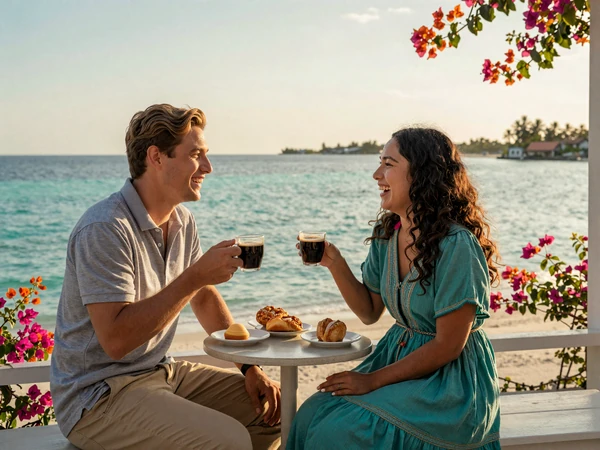
Every month, Western men and Timorese women form meaningful, lasting connections through WCAC Dating. Our Cultural Compatibility Algorithm has helped dozens of Timorese women in the diaspora find the serious, respectful partners they deserve - resulting in over 85 marriages between WCAC members and Timorese women since our platform launched in 2020.
"After years of disappointing experiences on generic apps, I found WCAC and matched with Maria from Dili. The cultural matching was amazing - we shared the same Catholic values, the same vision for family. After 4 months of video chatting every evening, I flew to Darwin where she was studying. Her warmth, her faith, her resilience - I knew she was the one. We married in a beautiful ceremony with both our families, and her mother made batar da'an for our guests."
Expert answers to help Western men navigate Timorese dating culture with confidence and respect
WCAC Dating is the premier platform for meeting verified Timorese women seeking serious relationships. Our community includes Timorese women from Dili, Baucau, Suai, and major diaspora hubs in Australia (Darwin, Melbourne, Sydney), Portugal (Lisbon), and the United Kingdom. Over 3,800 verified Timorese women are actively seeking meaningful cross-cultural connections. WCAC's Cultural Compatibility Quiz ensures matches align on Catholic values, family expectations, and communication styles - creating connections with real depth from day one.
Extremely important. Timor-Leste is approximately 97% Catholic - the highest rate in Asia. For most Timorese women, faith is not a Sunday-only practice but a daily foundation for decisions, relationships, and family life. Attending Mass together, respecting prayer routines, and participating in saints' feast day celebrations demonstrates your commitment to her values. WCAC's Cultural Compatibility Quiz evaluates spiritual alignment to ensure you are matched with women whose level of observance matches your own comfort level.
Barlake is the traditional Timorese bride price system - a reciprocal exchange of gifts between the groom's family (typically tais textiles, livestock, and cash) and the bride's family (primarily tais and ceremonial items). It formalizes the marriage bond and creates lasting obligations between families. While barlake has evolved in urban and diaspora communities, the underlying principle of family reciprocity endures. Approach the topic respectfully, express willingness to participate appropriately, and discuss expectations openly with your partner. Your engagement with this tradition signals genuine commitment.
Yes. WCAC has a dedicated and growing community of Timorese women from major diaspora hubs worldwide - particularly Darwin, Melbourne, and Sydney (Australia), Lisbon (Portugal), and London (UK). These verified profiles represent educated, career-oriented Timorese women who maintain deep connections to their Catholic faith and cultural heritage while building lives abroad. Our matching algorithm accounts for diaspora-specific factors including generation, language proficiency (Portuguese, Tetum, English), and degree of traditional observance.
Fluency is not required, especially since many Timorese women in the diaspora speak English fluently alongside Portuguese and Tetum. However, learning basic phrases creates immediate cultural rapport: 'Bondia' (good morning), 'Obrigado/Obrigada' (thank you), 'Diak' (good/fine), 'Ha'u hadomi ó' (I love you). WCAC's real-time Portuguese-English and Tetum-English translation bridges any language gaps during chat, ensuring natural communication from your very first conversation.
WCAC employs a multi-layer verification system including government ID verification, facial recognition technology, and manual review by our trained moderation team. Every Timorese profile undergoes rigorous screening before activation. Our dedicated 24/7 monitoring team investigates all flagged content within hours, watching for red flags including money requests, off-platform communication attempts, and profile inconsistencies. The result is a 99.9% scam-free environment - dramatically safer than competitors where Trustpilot reviews consistently report over 90% fake profiles.
While Timorese women share Southeast Asian warmth with their Indonesian and Filipino neighbors, several factors create a distinctly Timorese identity. The Catholic faith - at 97% - is even higher than the Philippines (86%), creating a uniquely devout culture. Portuguese colonial heritage gives Timorese women a Lusophone cultural identity unlike anything else in Asia. The tais weaving tradition, uma lulik ancestral practices, and barlake marriage customs are distinctly Timorese. And the national experience of fighting for independence has forged a resilience and gratitude for genuine human connection that Western men consistently describe as extraordinary.
Timor-Leste is generally safe for tourists, with Dili offering modern amenities including international hotels, restaurants, and reliable internet. The country is known for its welcoming, hospitable population. Standard travel precautions apply - use reputable transportation, keep valuables secure, and inform someone of your itinerary. WCAC recommends meeting first in a diaspora hub (Darwin, Melbourne, or Lisbon) if preferred. For visits to Timor-Leste, our platform provides cultural travel tips and safety guidelines to ensure a positive, secure experience.