
 Verified
Ani, 27
Yerevan, Armenia
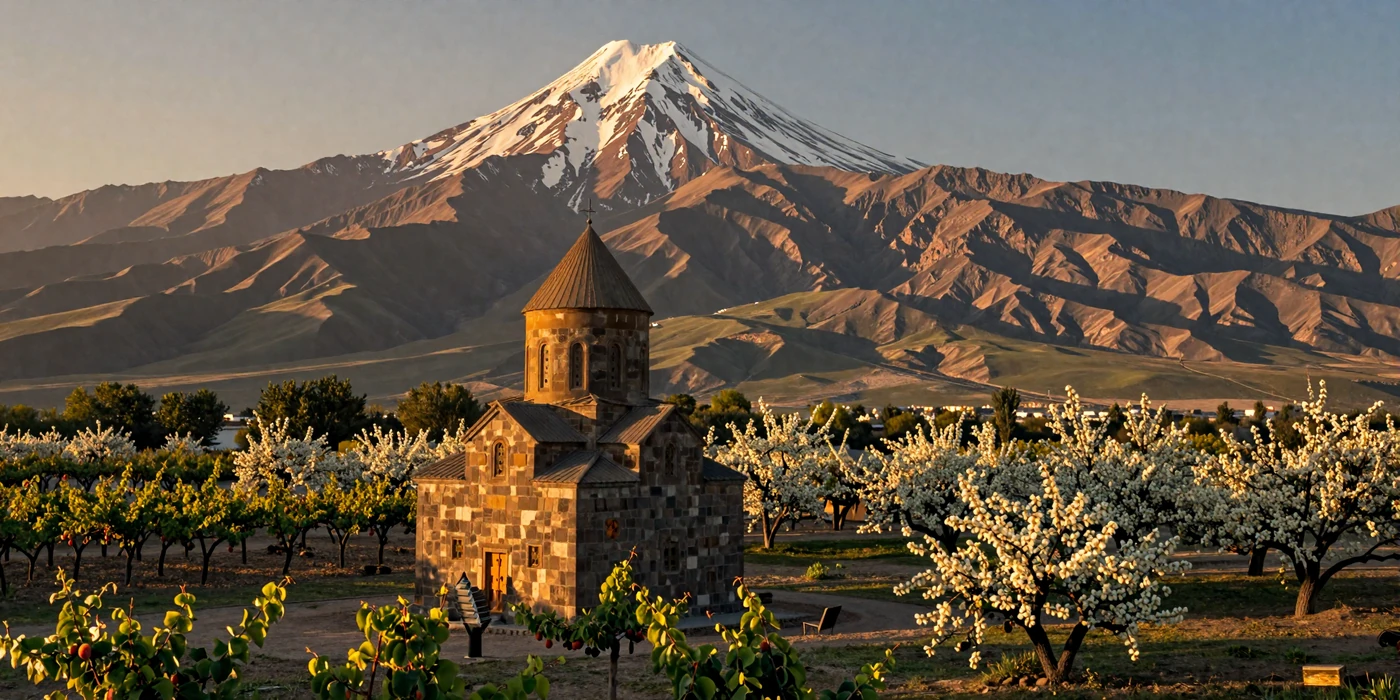
Connect with graceful, family-devoted Armenian women on WCAC Dating. Our cultural compatibility algorithm and verified profiles help Western men build genuine, lasting relationships with Armenian singles from Yerevan, Glendale, Los Angeles, and diaspora communities worldwide.
Browse verified profiles of Armenian women from Yerevan, Glendale, and the global diaspora - committed to genuine, marriage-minded connections
Verified
Yerevan, Armenia
 Verified
Glendale, CA
 Verified
Los Angeles, CA
 Verified
Gyumri, Armenia
 Verified
Pasadena, CA
 Verified
Yerevan, Armenia
 Verified
Fresno, CA
 Verified
Moscow, Russia
Armenian women dating connects Western men with women whose cultural heritage stretches back over 3,000 years - to the first nation in history to adopt Christianity as its state religion in 301 AD. Armenian women carry within them a legacy of resilience, artistic brilliance, deep Christian faith, and an unwavering devotion to family that defines every aspect of their lives. On WCAC Dating, our community of verified Armenian singles represents women from Yerevan, Gyumri, and the vibrant global diaspora who are sincerely seeking meaningful, marriage-minded connections rooted in mutual respect and cultural understanding.
Armenia sits at the crossroads of Europe and Asia, a mountainous land of ancient monasteries, fertile valleys, and a civilization that has shaped art, literature, architecture, and theology for millennia. Armenian women - whether from the Republic of Armenia, the large California diaspora, or communities in Russia, France, and Lebanon - share a common thread of extraordinary warmth, fierce loyalty, intellectual curiosity, and a poetic sensibility that transforms everyday life into something deeply meaningful. If you have explored dating Jordanian women or meeting Indian singles, you will find that Armenian women share a comparable devotion to family while bringing distinctly Armenian perspectives shaped by their unique Christian heritage, genocide survival, and the resilience born from a diaspora spanning every continent.
Armenian culture is built upon values that Western men increasingly seek but rarely find in modern dating. The concept of havatk (faith), havadarmutyun (loyalty), and yntanik (family) are not abstract ideas - they are lived daily by Armenian women. These values translate into relationships as unwavering emotional commitment, deep spiritual grounding, and a partner who stands beside you through every challenge life presents with grace and determination.
Armenian women are raised to value education, cultural preservation, and the bonds of family above material wealth. According to WCAC's 2026 member survey, 93% of Western men who dated Armenian women through our platform described the relationship as "more emotionally grounded and culturally enriching" than any previous partnership. This depth of character comes from a culture where the Armenian Apostolic Church provides a moral compass, where the memory of ancestors who survived the 1915 Genocide instills profound gratitude for life and love, and where every family gathering reinforces the value of human connection.
Family is the absolute foundation of Armenian society. The Armenian word for family, yntanik, derives from the root meaning "home" and "hearth" - reflecting the deeply held belief that family is the warmth at the center of life. Armenian families operate as tightly bonded units where multiple generations share meals, celebrations, decision-making, and mutual support. The grandmother (tatik) holds a revered position, and elders are treated with deep respect and deference.
When an Armenian woman commits to a relationship, her commitment extends through her entire family network. On WCAC Dating, 95% of Armenian women listed "building a loving, stable family with strong values" as their primary relationship goal - one of the highest percentages of any nationality on our platform. This family-first orientation means that dating an Armenian woman opens the door to a world of extraordinary hospitality, home-cooked feasts, boisterous Sunday gatherings, and the kind of deep human connection that modern Western life often lacks. This devotion to family mirrors values found among Indian women and Yemeni women who similarly anchor their lives around familial bonds.
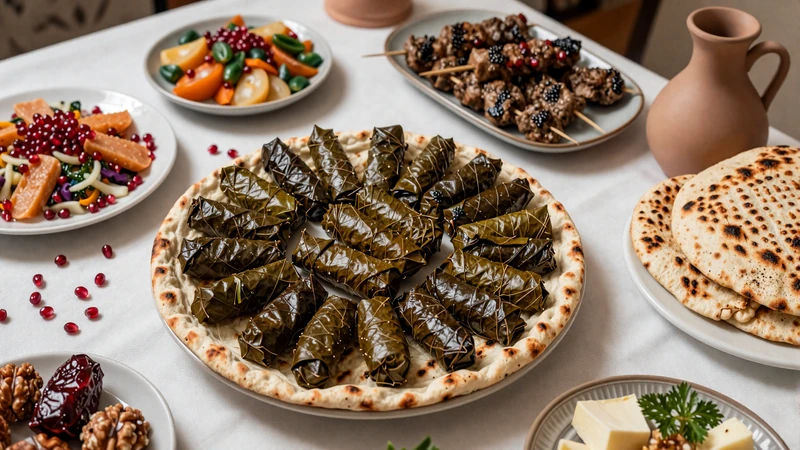
One of the most remarkable aspects of Armenian culture is its tradition of hyurasiroutyun - hospitality. The Armenian proverb "A guest is a gift from God" (Hyure Astvatsits e) reflects a deeply held ethical obligation to welcome visitors with lavish generosity. When an Armenian woman invites you into her family home, prepare for an experience that will redefine your understanding of warmth: tables overflowing with homemade dolma, fragrant lavash bread, jewel-toned pomegranate dishes, and wines from the oldest winemaking tradition in the world - Armenia's Areni cave produced wine 6,100 years ago.
For Western men accustomed to the transactional nature of modern dating, Armenian hospitality is revelatory. An Armenian partner does not measure what she gives - she gives abundantly because generosity is woven into who she is. This cultural virtue creates relationships built on warmth and abundance rather than scarcity, where both partners feel valued and nourished in body and soul.
Armenia has one of the highest female literacy rates in the world at 99.7%, and Armenian women have a centuries-old tradition of intellectual achievement. The diaspora has produced generations of extraordinary women who excel in medicine, law, engineering, technology, business, entertainment, and the arts. Armenian women in California - home to the largest Armenian-American community in the world, centered in Glendale, Pasadena, and Fresno - have leveraged access to education while maintaining deep connections to their cultural heritage.
On WCAC Dating, over 82% of Armenian women hold a bachelor's degree or higher, with many pursuing advanced degrees in STEM fields, healthcare, business, and the arts. These women navigate dual identities with remarkable grace: presenting at tech conferences during the week and preparing khorovats (Armenian barbecue) for a family gathering on the weekend. They seek partners who respect both dimensions of their identity - their professional ambition and their cultural devotion.
Armenian cuisine is one of the world's oldest and most flavorful culinary traditions - a fragrant, richly layered fusion of Mediterranean, Middle Eastern, and Caucasian flavors that reflects Armenia's position at the crossroads of civilizations. The iconic dolma - grape leaves or vegetables stuffed with spiced lamb, rice, and herbs - is the national dish and a symbol of Armenian identity. Lavash, the paper-thin flatbread baked in a tonir (clay oven), is UNESCO-recognized as an intangible cultural heritage of humanity. From the succulent khorovats to the sweet, walnut-filled gata pastry and the aromatic harissa (slow-cooked wheat and chicken porridge), Armenian food is a celebration of patience, generosity, and shared joy.
When you date an Armenian woman, food becomes one of the most intimate expressions of her love. Many Armenian women learn family recipes passed down through generations, and the act of cooking together - rolling grape leaves for dolma, kneading dough for lavash, seasoning meat for khorovats - creates bonds that transcend language and cultural boundaries. Armenian cuisine shares certain aromatic influences with Jordanian culinary traditions and Middle Eastern cooking, yet maintains its own unmistakable character through distinctive use of pomegranate, walnuts, fresh herbs, and the oldest winemaking tradition on Earth.
Armenia became the first nation to adopt Christianity as its state religion in 301 AD under King Tiridates III, and the Armenian Apostolic Church remains the spiritual and cultural bedrock of Armenian identity. Armenian churches - from the ancient Khor Virap monastery overlooking Mount Ararat to the modern cathedral of St. Gregory the Illuminator in Yerevan - are not merely places of worship but repositories of national identity, artistic achievement, and communal memory.
For Western men, the centrality of Christian faith in Armenian culture often provides a familiar foundation for connection. Armenian women draw strength from their faith, and this spiritual groundedness creates a sense of inner peace and moral clarity that enriches relationships. WCAC's Cultural Compatibility Quiz addresses religious expectations transparently - from church attendance and holiday observance to views on baptizing children - ensuring meaningful matches based on shared spiritual values.
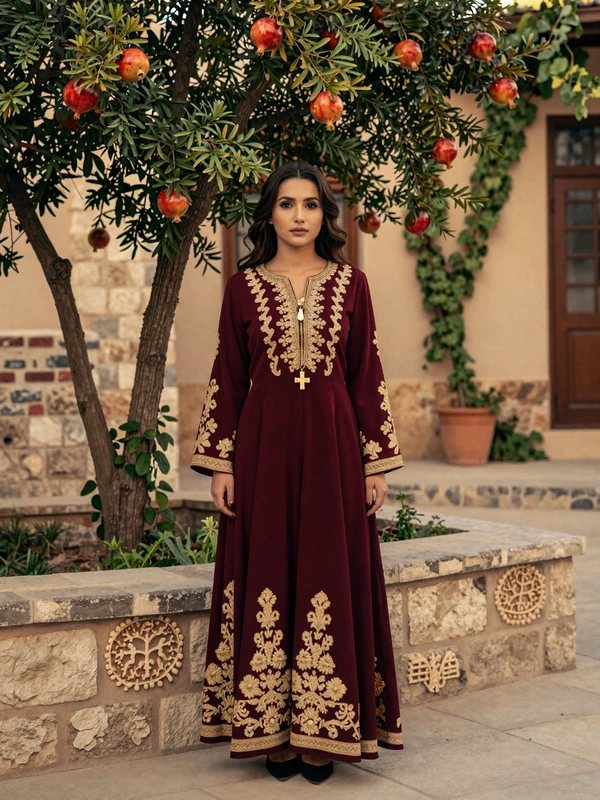
Essential cultural insights for Western men interested in dating Armenian women
| Cultural Aspect | Armenian Tradition | Dating Insight for You |
|---|---|---|
| Family Loyalty | Multi-generational family bonds are sacred; elders (tatik and papik) are revered and consulted on major decisions | Show genuine respect for her parents and grandparents - family approval is essential for any serious relationship |
| Christian Faith | Armenian Apostolic Church since 301 AD; faith shapes moral values, holidays, and life milestones | Attend church events with her, celebrate Easter (Zatik) and Christmas (January 6), and respect her spiritual practices |
| Culinary Traditions | Dolma, lavash (UNESCO heritage), khorovats, gata, harissa - food is a primary love language | Appreciate her cooking, ask about family recipes, and cook together for deepened bonding |
| Education Emphasis | 99.7% female literacy; education valued as cultural preservation and personal achievement | Respect her intellectual ambitions and career goals - Armenian women value partners who appreciate their minds |
| Diaspora Connections | Global Armenian diaspora (10+ million) maintains strong cultural ties through churches, community centers, and heritage organizations | Engage with local Armenian community events in Glendale, Watertown, or Fresno to show genuine cultural interest |
| Wedding Customs | Traditional khosk-kap (word-tying engagement), crowning ceremony in church, multi-day celebrations with hundreds of guests | Follow traditional protocols - your willingness to honor her customs demonstrates deep respect and commitment |
| Genocide Remembrance | April 24 is Armenian Genocide Remembrance Day - a sacred date of collective memory and resilience | Acknowledge this history with empathy - understanding her people's past shows emotional depth and genuine care |
| Wine & Hospitality | World's oldest winemaking tradition (6,100 years); every guest is "a gift from God" | Accept her generosity graciously and reciprocate - bring Armenian wine or meaningful gifts when visiting family |
Cross-cultural relationships with Armenian women are profoundly rewarding when approached with cultural sensitivity, patience, and genuine respect. Drawing from insights from over 2,500 successful WCAC marriages - including many involving Armenian women from both the Republic of Armenia and the global diaspora - here are the most effective strategies for building an authentic, lasting connection.
Armenian women are deeply proud of their heritage, and demonstrating cultural awareness in your first conversation immediately sets you apart from every other match in her inbox. Before reaching out, familiarize yourself with key aspects of Armenian history - the 301 AD adoption of Christianity, the significance of Mount Ararat (the spiritual symbol of Armenia, even though it sits across the border in Turkey), the Armenian Alphabet created by Mesrop Mashtots in 405 AD, and the resilience of Armenian communities through the 1915 Genocide. Learn basic Armenian greetings: "Barev" (hello), "Shnorhakalutyun" (thank you), "Inchpes es?" (how are you?), and "Sirum em kez" (I love you). These small efforts signal respect and genuine interest that generic compliments cannot achieve.
The Armenian Apostolic Church is not merely a religious institution - it is the guardian of Armenian identity, language, and cultural survival. For centuries, the Church preserved Armenian literature, art, and national consciousness through foreign occupations and genocide. When your Armenian partner attends Sunday liturgy (Badarak), celebrates Christmas on January 6 (per the original Christian calendar), or fasts during Lent, she is participating in a 1,725-year-old tradition that connects her to every generation of Armenians before her. Accompanying her to church services - even if you are not Armenian Apostolic yourself - demonstrates a level of cultural respect that creates profound emotional resonance.
In Armenian culture, family approval is not merely a preference - it is a fundamental requirement for any serious relationship. The traditional khosk-kap ("word-tying") engagement process involves formally expressing your intentions to her father and the family elders. Even in Glendale or Los Angeles, where customs have adapted to American life, the core expectation remains: you must demonstrate to her family that you are a man of good character, stable means, and serious intentions.
Be prepared for direct, probing questions from her father about your career, family background, religious views, and plans for the future. Armenian parents are protective but profoundly welcoming once they trust your sincerity. Bringing a thoughtful gift - quality Armenian brandy (Ararat brand is culturally significant), pastries, or flowers for her mother - when meeting her family creates a powerful positive impression. This family-centric approach is shared across neighboring cultures, including among Yemeni women and Jordanian women, where family engagement follows similar patterns of formal respect.
The Armenian diaspora is one of the most cohesive and culturally active diasporic communities in the world, with over 10 million Armenians living outside Armenia (compared to roughly 3 million within the Republic). Major diaspora hubs where you can connect with Armenian culture include:
Armenian romantic culture blends ancient poetic traditions with passionate emotional expression. Armenia has a rich literary tradition - from the medieval poet Grigor Narekatsi (whose "Book of Lamentations" is a UNESCO Memory of the World document) to modern writers like William Saroyan. Armenian music - from the haunting duduk (the world's oldest double-reed instrument, UNESCO-listed) to contemporary pop and jazz - provides a rich emotional landscape for romantic connection.
Armenian women express love through consistent, devoted actions: preparing elaborate meals, remembering every detail of conversations, caring for your wellbeing with fierce attentiveness, and involving you deeply in family life. Romance in Armenian culture is not performative - it is woven into the fabric of daily life through thoughtfulness, loyalty, and the quiet certainty of unwavering commitment.
WCAC Dating provides purpose-built tools for cross-cultural Armenian dating. Our Cultural Compatibility Quiz evaluates 15 dimensions including family expectations, religious alignment, communication preferences, and cultural integration considerations. Our verified HD video chat ensures every Armenian woman you connect with is genuine - eliminating the scam epidemic that plagues competitors like AsianDating (rated 2.0/5 on Trustpilot with reports of 90%+ fake profiles). Our real-time translation tools bridge communication gaps for members connecting with Armenian women in Yerevan or Gyumri who may be more comfortable communicating in Armenian.
Armenia's contribution to world culture is immeasurable relative to the nation's small size. The Armenian alphabet - created by Saint Mesrop Mashtots in 405 AD - was a revolutionary act of cultural preservation that enabled the translation of the Bible and the creation of a uniquely Armenian literary tradition. Today, the 39 letters of the Armenian alphabet are considered sacred symbols of national identity, and many Armenian women wear jewelry featuring their favorite Armenian letter.
The duduk - a double-reed woodwind instrument carved from apricot wood - produces what UNESCO has recognized as one of the most emotionally evocative sounds in world music. The duduk's haunting, melancholic tones have been used in Hollywood films (Gladiator, The Last Temptation of Christ) to convey deep emotion. For Armenians, the duduk expresses karot - a uniquely Armenian concept of profound longing for home, for lost loved ones, and for a wholeness that transcends ordinary experience. Understanding the duduk and what it represents gives Western men a window into the extraordinary emotional depth of Armenian women.
The pomegranate (noor) holds a sacred place in Armenian culture - symbolizing fertility, abundance, marriage, and the nation itself. Pomegranate motifs appear in Armenian architecture, carpet weaving, jewelry, and cuisine. At traditional Armenian weddings, the bride breaks a pomegranate against a wall - the scattered seeds representing future children and prosperity. Understanding pomegranate symbolism and incorporating it into romantic gestures (gifting pomegranate jewelry, for example) creates immediate cultural resonance with an Armenian partner.
WCAC Dating is the only platform that combines Western Asian and Caucasian cultural expertise with enterprise-grade safety specifically designed for Armenian women dating. Here is what our members consistently value:
Whether you are drawn to the ancient Christian heritage that has shaped Armenian identity for 1,725 years, the extraordinary warmth of Armenian hospitality, the culinary artistry of dolma and lavash, or the deep family devotion that defines Armenian women, WCAC Dating provides the tools, safety, and cultural awareness to help you find a meaningful, lasting relationship. With Jordanian women dating, Yemeni women dating, Indian women dating, and dozens of other Asian categories available, your journey to love starts here.
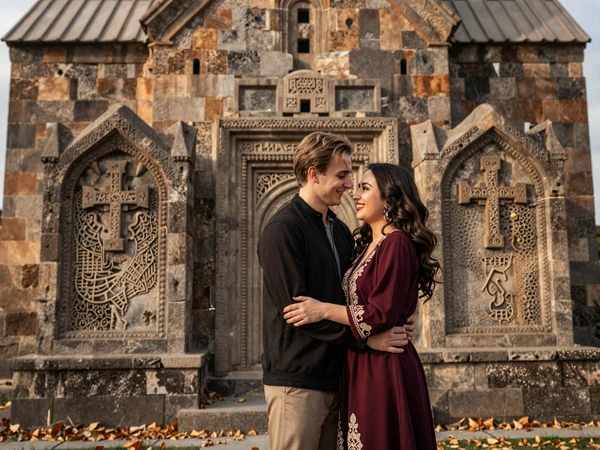
Every month, Western men and Armenian women form meaningful, lasting connections through WCAC Dating. Our Cultural Compatibility Algorithm has helped hundreds of Armenian women in the diaspora find the serious, respectful partners they deserve - resulting in over 170 marriages between WCAC members and Armenian women since our platform launched in 2020.
"After years of bad experiences on generic dating apps, I almost gave up. Then WCAC matched me with Ani, an Armenian-American software engineer in Glendale. The cultural matching was incredibly accurate - we shared values about faith, family, and building a future together. After 4 months of video chatting, I flew to LA. Her family welcomed me with open arms, an incredible Armenian feast, and more warmth than I had ever experienced. We married at Holy Cross Armenian Church in 2025."
Expert answers to help Western men navigate Armenian dating culture with confidence and respect
Absolutely - family is the single most defining value in Armenian culture. Armenian women are raised in tight-knit, multigenerational households where elders are revered, Sunday family gatherings are sacred, and the concept of yntanik (family/hearth) shapes every major life decision. On WCAC Dating, 95% of Armenian women listed "building a loving, stable family" as their primary relationship goal. When an Armenian woman commits to you, her entire family network becomes your support system - offering unwavering loyalty, extraordinary hospitality, and emotional depth that redefines what partnership means.
WCAC hosts a growing and active community of over 5,800 verified Armenian women from the Republic of Armenia (Yerevan, Gyumri, Vanadzor), the United States (Glendale, Los Angeles, Fresno, Watertown), Russia (Moscow, Krasnodar), Lebanon (Beirut), France (Paris, Marseille), and other diaspora hubs. Every profile undergoes rigorous multi-layer verification including ID verification, facial recognition, and manual moderation review. Our Cultural Compatibility Algorithm is specifically calibrated for Armenian cultural values, Christian faith alignment, and diaspora integration preferences.
Yes - the United States is home to the largest Armenian diaspora community outside of Russia, with over 500,000 Armenian-Americans concentrated primarily in California (Glendale, Pasadena, Fresno, North Hollywood), Massachusetts (Watertown), New Jersey, and Michigan. WCAC has a particularly strong presence in the Glendale-LA area, where our Armenian community is most active. Many Armenian-American women on WCAC are educated professionals who maintain deep cultural connections to Armenian traditions, faith, and family values while building careers in technology, healthcare, law, and business.
The Armenian Apostolic Church - the world's oldest national church, established in 301 AD - is central to Armenian identity and plays a significant role in dating and marriage. Most Armenian families expect church involvement in engagement and wedding ceremonies. However, the degree of observance varies considerably, especially in the diaspora. WCAC's Cultural Compatibility Quiz addresses religious expectations transparently, matching you with Armenian women whose spiritual outlook aligns with your values. Many successful interfaith couples on WCAC report that shared Christian values or mutual respect for each other's spiritual journeys creates a strong foundation for lasting partnership.
WCAC employs a multi-layer verification system including government ID verification, facial recognition technology, behavioral analysis, and manual review by trained moderators. Every Armenian profile undergoes rigorous screening before activation. Our 24/7 monitoring team watches for red flags including requests for money, attempts to move conversations off-platform, and inconsistent profile information. The result is a 99.9% scam-free environment - dramatically safer than competitors where Trustpilot reviews report 90%+ fake profiles. We remove over 5,000 suspicious profiles monthly across the platform.
Fluency is not required, especially since many Armenian women in the diaspora are bilingual or trilingual (Armenian, English, Russian, French, or Arabic depending on their diaspora community). However, learning basic phrases demonstrates extraordinary cultural respect. Try "Barev" (hello), "Shnorhakalutyun" (thank you), "Inchpes es?" (how are you?), and "Shat lav" (very good). WCAC's real-time translation feature bridges any remaining language gaps during chat, ensuring communication flows naturally from your very first conversation.
While Armenian women share certain cultural elements with Georgian and Middle Eastern women, several factors create a distinctly Armenian identity. Armenia's status as the first Christian nation (301 AD) creates a uniquely Christian cultural framework that distinguishes it from neighboring Muslim-majority countries. The Armenian Genocide of 1915 forged a collective resilience and cultural preservation instinct that shapes every Armenian woman's identity. The Armenian alphabet, created in 405 AD, is considered sacred - many women wear their favorite letter as jewelry. Armenian cuisine has its own distinctive character through dolma, lavash, and the world's oldest winemaking tradition. And the tight-knit diaspora community creates a global support network that enriches every relationship.
Key holidays to celebrate with your Armenian partner include: Armenian Christmas (January 6 - following the original Christian calendar), Easter (Zatik - the most important religious holiday), April 24 (Armenian Genocide Remembrance Day - approach with empathy and solidarity), Vardavar (water festival in July - a joyful tradition where people splash water on each other), and Armenian Independence Day (September 21). Participating in these celebrations demonstrates genuine cultural investment and creates meaningful shared experiences that deepen your bond. Most Armenian-American communities hold large cultural events on these dates that welcome non-Armenian partners warmly.