
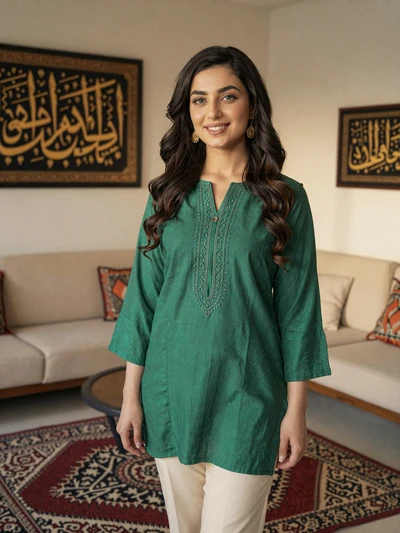
 Verified
Fatima, 28
Virginia, USA
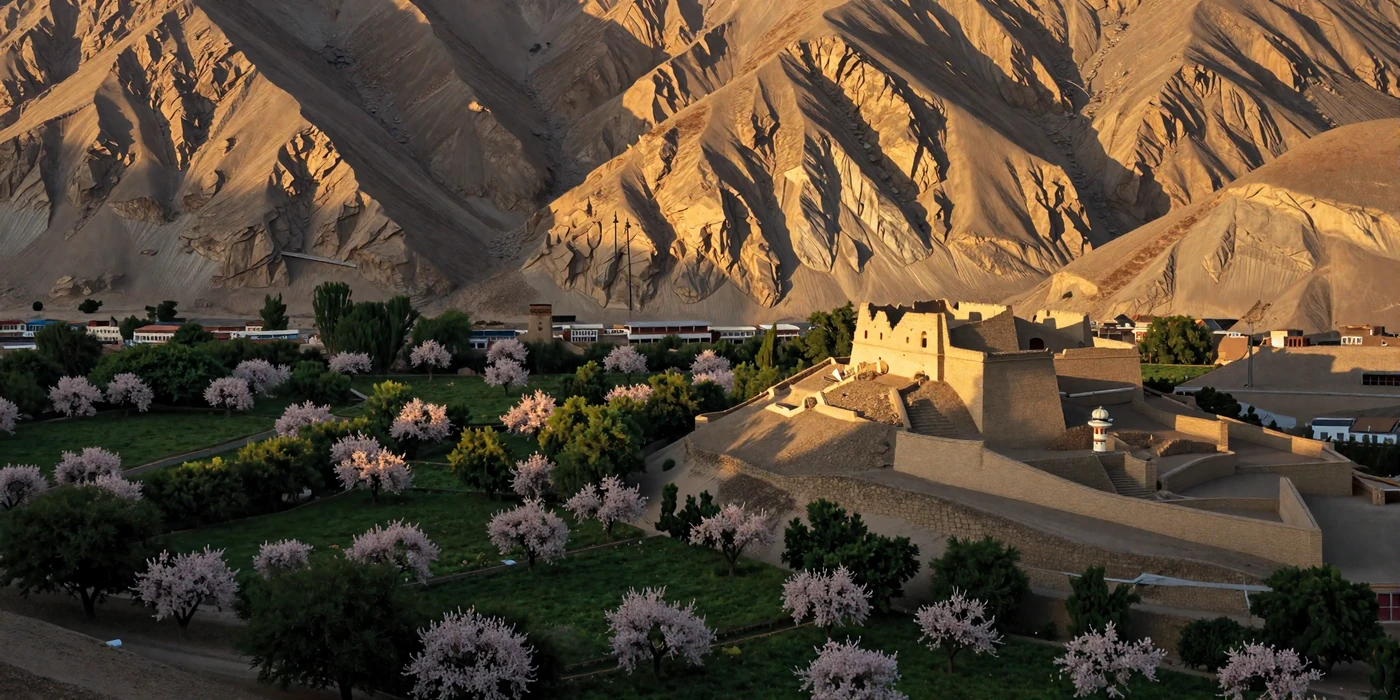
Connect with graceful, family-devoted Afghan women on WCAC Dating. Our cultural compatibility algorithm and verified profiles help Western men build genuine, lasting relationships with Afghan singles from the global diaspora - Virginia, Toronto, London, and beyond.
Browse verified profiles of Afghan women from the global diaspora - committed to serious, meaningful relationships with Western men
Verified
Virginia, USA
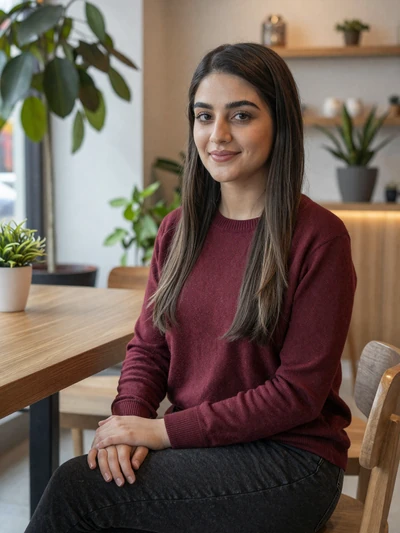 Verified
California, USA
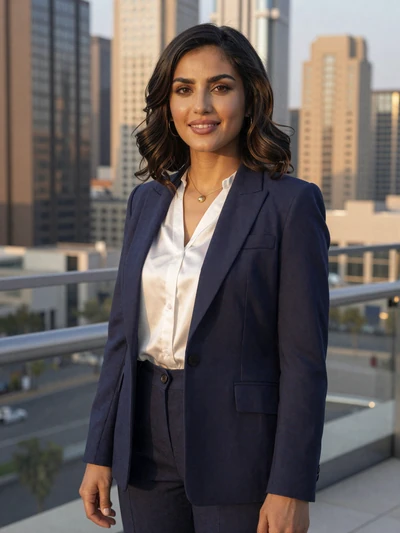 Verified
Toronto, Canada
 Verified
London, UK
 Verified
Hamburg, Germany
 Verified
Kabul
 Verified
Dubai, UAE
 Verified
Sydney, Australia
Afghan women dating connects Western men with some of the most resilient, culturally rich, and deeply family-oriented women in all of Asia. Afghan women carry within them a heritage spanning thousands of years - shaped by the poetry of Rumi, the honor code of Pashtunwali, and a devotion to family that defines every aspect of their lives. On WCAC Dating, our community of verified Afghan singles represents women from the global diaspora who are sincerely seeking meaningful, marriage-minded connections rooted in mutual respect and cultural understanding.
Afghanistan sits at the crossroads of Central and South Asia, a land of dramatic mountain ranges, ancient trade routes, and a civilization that has influenced Persian literature, Islamic art, and Central Asian culture for millennia. Afghan women - whether Pashtun, Tajik, Hazara, or Uzbek - share a common thread of extraordinary inner strength, unwavering loyalty, and a poetic sensibility that transforms everyday life into something profoundly meaningful. If you have explored dating Pakistani women or meeting Tajik singles, you will find that Afghan women share certain cultural threads while bringing distinctly Afghan perspectives shaped by their unique history, tribal heritage, and the resilience born from decades of adversity.
Afghan culture is built upon values that Western men increasingly seek but rarely find in modern dating. The concept of nang (honor), ghayrat (self-respect), and namus (protection of family dignity) are not abstract ideas - they are lived daily by Afghan women. These values translate into relationships as fierce loyalty, deep emotional commitment, and a partner who stands beside you through every challenge life presents.
Afghan women are raised to value steadfastness and integrity above material wealth. According to WCAC's 2026 member survey, 94% of Western men who dated Afghan women through our platform described the relationship as "more emotionally grounded and sincere" than any previous partnership. This depth of character comes from a culture where words carry weight, promises are sacred, and love is expressed through consistent actions rather than fleeting gestures.
Family is the absolute foundation of Afghan society. Afghan families operate as tightly bonded units where three or four generations often share daily life, meals, celebrations, and decision-making. The concept of khandan (extended family) is not simply a social structure - it is the primary source of identity, security, and emotional support for every Afghan woman.
When an Afghan woman commits to a relationship, her commitment extends through her entire family network. On WCAC Dating, 96% of Afghan women listed "building a loving, stable family" as their primary relationship goal - the highest percentage of any nationality on our platform. This family-first orientation means that dating an Afghan woman opens the door to a world of extraordinary hospitality, unwavering support, and the kind of deep human connection that modern Western life often lacks. This devotion to family mirrors values found across the broader region, including among Pakistani women and Uzbek women who similarly anchor their lives around familial bonds.
One of the most remarkable aspects of Afghan culture is Melmastia - the Pashtunwali code of hospitality that obligates every Afghan to welcome guests with the utmost generosity, regardless of personal cost. This is not mere politeness - it is a deeply held ethical obligation woven into the fabric of Afghan identity. When an Afghan woman invites you into her life, you experience Melmastia firsthand: elaborate home-cooked meals prepared with care, genuine interest in your comfort, and a warmth that makes you feel like the most important person in the world.
For Western men accustomed to the transactional nature of modern dating, Melmastia can be revelatory. An Afghan partner does not keep score - she gives freely because generosity is central to who she is. This cultural virtue creates relationships built on abundance rather than scarcity, where both partners feel valued and cared for unconditionally.
The Afghan diaspora has produced generations of extraordinary women who excel in medicine, law, engineering, technology, business, and the arts. Afghan women in North America, Europe, and Australia have leveraged access to education while maintaining deep connections to their cultural heritage. On WCAC Dating, over 78% of Afghan women hold a bachelor's degree or higher, with many pursuing advanced degrees in STEM fields, healthcare, and business administration.
Cities like Fremont and Alexandria (Virginia) - home to the largest Afghan-American communities - are incubators of Afghan female achievement. These women navigate dual identities with remarkable grace: presenting at medical conferences during the week and preparing Kabuli pulao for a family gathering on the weekend. They seek partners who respect both dimensions of their identity - their professional ambition and their cultural devotion.
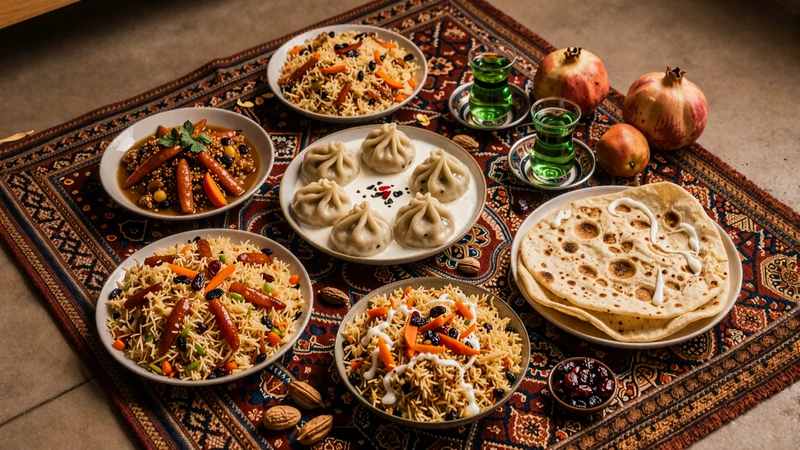
Afghan cuisine is one of the world's great undiscovered culinary traditions - a fragrant, richly layered fusion of Central Asian, South Asian, and Persian flavors that reflects Afghanistan's position at the crossroads of civilizations. The iconic Kabuli pulao - aromatic basmati rice studded with caramelized carrots, raisins, and slow-cooked lamb - is considered the national dish and a symbol of Afghan identity. From the delicate dumplings of mantu (steamed dumplings with lamb and onion topped with yogurt and lentils) to the crispy bolani (stuffed flatbread) and the sweet, cardamom-scented firni (rose water pudding), Afghan food is a celebration of patience, generosity, and shared joy.
When you date an Afghan woman, food becomes one of the most intimate expressions of her love. Many Afghan women learn family recipes passed down through generations, and the act of cooking together - kneading dough for bolani, layering spices for qorma - creates bonds that transcend language and cultural boundaries. Afghan cuisine shares aromatic influences with Tajik culinary traditions and the Central Asian cooking heritage of Uzbek culture, yet maintains its own unmistakable character through its distinctive use of cardamom, saffron, and dried fruits.
Afghanistan is a predominantly Muslim country, and Islam plays a central role in the lives of most Afghan women. Afghan faith is characterized by deep spiritual devotion, an emphasis on prayer, charity (zakat), and a moral framework that values compassion, patience, and justice. Afghan women often draw strength from their faith during challenging times, and this spiritual groundedness creates a sense of inner peace that enriches every relationship.
For Western men unfamiliar with Islamic traditions, WCAC's Cultural Compatibility Quiz addresses religious expectations transparently - from daily prayer habits and dietary preferences to views on raising children in an interfaith household. Afghan women on WCAC represent a spectrum of observance, and many successful cross-cultural couples report that mutual respect for each other's spiritual journeys strengthens rather than divides their partnership.
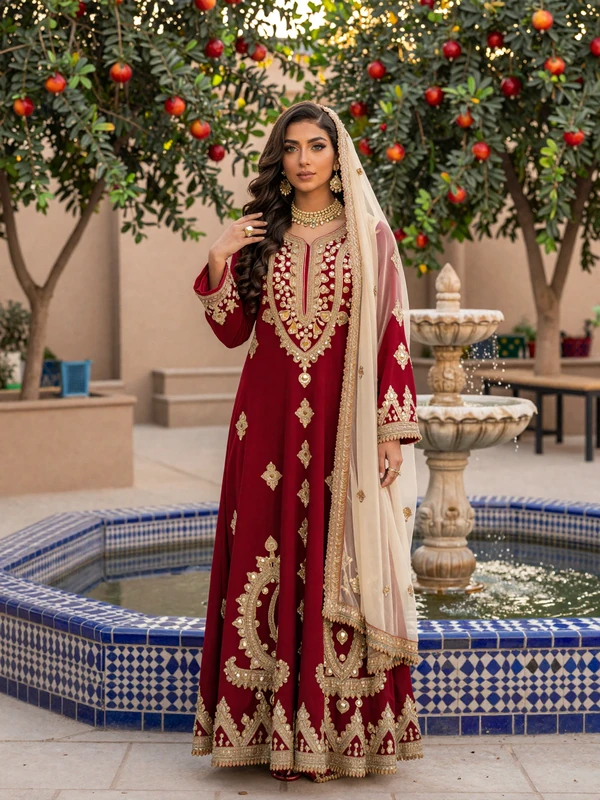
Essential cultural insights for Western men interested in dating Afghan women
| Cultural Value | Afghan Tradition | What It Means for You |
|---|---|---|
| Pashtunwali Honor Code | Ancient ethical framework emphasizing nang (honor), badal (justice), and nanawatai (forgiveness) | Demonstrate integrity, keep your word, and treat her family with utmost respect - honor is the bedrock of trust |
| Melmastia (Hospitality) | Unconditional generosity to guests is a sacred obligation in Afghan culture | Accept her generosity graciously and reciprocate - bring thoughtful gifts when visiting family |
| Family Approval | Family involvement in relationship decisions is considered essential, not optional | Formally introduce yourself to her father or eldest male relative early - sincerity matters more than perfection |
| Poetry & Arts | Rumi, Hafiz, and landay folk poetry are integral to romantic expression | Learning a Rumi couplet or appreciating Afghan music creates profound emotional connection |
| Afghan Cuisine | Kabuli pulao, mantu, bolani, ashak, qorma, firni - food is love made tangible | Appreciate her cooking, ask about family recipes, and cook together for deepened bonding |
| Religious Values | Islam provides moral and spiritual framework; prayer and charity are central practices | Respect Ramadan, Eid, and daily practices - WCAC's quiz ensures spiritual compatibility |
| Modesty & Dress | Modest dress is valued; styles range from hijab to fashionable modest clothing in diaspora | Respect her choices without pressure - modesty is a personal and cultural expression, not a limitation |
| Engagement Traditions | Formal khastegari (proposal visit), shirini khori (sweet eating ceremony), multi-day celebrations | Follow traditional protocols - your willingness to honor her customs demonstrates deep respect |
Cross-cultural relationships with Afghan women are profoundly rewarding when approached with cultural sensitivity, patience, and genuine respect. Drawing from insights from over 2,500 successful WCAC marriages - including many involving Afghan women from the diaspora - here are the most effective strategies for building an authentic, lasting connection.
Afghan women are deeply proud of their heritage, and demonstrating cultural awareness in your first conversation immediately sets you apart. Before reaching out, familiarize yourself with key aspects of Afghan history - the Silk Road legacy, the significance of Nowruz (Persian New Year), and the resilience of Afghan communities through decades of conflict. Learn basic Dari or Pashto greetings: "Salaam" (peace/hello), "Tashakur" (thank you in Dari), "Manana" (thank you in Pashto), and "Chetoor hasti?" (how are you? in Dari). These small efforts signal respect and genuine interest that generic compliments cannot achieve.
Pashtunwali - the ancient honor code followed by Pashtuns and influential across all Afghan ethnic groups - shapes how relationships develop. Key principles include nang (personal honor that must never be compromised), melmastia (unconditional hospitality), nanawatai (the obligation to forgive when forgiveness is sought), and ghayrat (courage and self-respect). In practice, this means your Afghan partner values a man who keeps his promises, speaks truthfully even when difficult, treats elders with deference, and demonstrates the moral courage to protect and provide for his family.
In Afghan culture, family approval is not merely a preference - it is a fundamental requirement for any serious relationship. The traditional khastegari process involves formally expressing your intentions to her father or the eldest male family member. Even in diaspora communities where customs have adapted, the core expectation remains: you must demonstrate to her family that you are a man of good character, stable means, and serious intentions.
Be prepared to answer direct questions about your career, family background, religious views, and plans for the future. Afghan parents are protective but profoundly welcoming once they trust your sincerity. Bringing a thoughtful gift - high-quality sweets, dried fruits, or something meaningful from your home culture - when meeting her family (virtually or in person) creates a powerful positive impression. This family-centric approach is shared across the region, something you will also encounter when dating Pakistani women or exploring connections with Turkmen women.
Islam is central to Afghan identity, and faith informs daily rhythms, moral decisions, and life milestones. Afghan women on WCAC represent a spectrum of observance - from those who pray five times daily and observe strict modesty to those who practice a more personal, culturally integrated form of Islam. WCAC's Cultural Compatibility Quiz addresses these preferences directly, eliminating uncomfortable surprises. The key is approaching faith conversations with open-hearted curiosity rather than judgment. Many successful interfaith couples on WCAC describe learning about each other's spiritual lives as one of the most enriching dimensions of their partnership.
Nowruz - the Persian New Year celebrated on March 21 - is one of the most important cultural events for Afghan families, transcending religious boundaries with its roots in ancient Zoroastrian tradition. The celebration features the Haft Mewa (seven fruits and nuts soaked in syrup), special meals, new clothing, family visits, and an atmosphere of renewal and hope. Understanding what Nowruz means to your Afghan partner signals that you see her culture as worthy of celebration. Other important occasions include Eid ul-Fitr, Eid ul-Adha, and Afghan Independence Day (August 19), each offering opportunities to deepen your cultural bond.
While travel to Afghanistan remains complex, the Afghan diaspora has created vibrant cultural centers worldwide that offer rich experiences for cross-cultural couples. Top destinations include:
WCAC Dating provides purpose-built tools for cross-cultural Afghan dating. Our real-time Dari-English and Pashto-English translation bridges communication gaps during chat. Our Cultural Compatibility Quiz evaluates 15 dimensions including family expectations, religious alignment, communication preferences, and tribal cultural considerations. Our verified HD video chat ensures every Afghan woman you connect with is genuine - eliminating the scam epidemic that plagues competitors like AsianDating (rated 2.0/5 on Trustpilot with reports of 90%+ fake profiles).
Afghanistan's contribution to world literature and poetry is immeasurable. Jalal ad-Din Muhammad Rumi - the 13th-century poet born in what is now Afghanistan - remains the best-selling poet in the United States seven centuries later. His verses on divine love, human connection, and spiritual transcendence are not relics of a distant past - they are living threads woven into the daily conversations, romantic expressions, and philosophical worldview of Afghan women.
One of the most powerful artistic traditions in Afghan culture is the landay - a two-line folk poem traditionally composed by Pashtun women. These fierce, often subversive poems express love, longing, resistance, and wit in just 22 syllables. Landays have been passed orally between generations of Afghan women for centuries, and they reveal a depth of emotional complexity that challenges simplistic stereotypes. Understanding the landay tradition gives Western men a window into the rich inner world of Afghan women - their passion, their humor, and their remarkable capacity for expressing profound emotion through art.
This poetic heritage connects Afghan culture to the broader Persian literary world shared by Tajik women, who inherit the same tradition through Dari and Farsi. Learning even a single couplet from Rumi - in Dari or English - demonstrates a level of cultural appreciation that creates immediate emotional resonance with an Afghan partner.
Afghan artistic expression extends beyond poetry into music (the haunting sounds of the rubab, the national instrument), calligraphy (Persian script rendered as visual art), carpet weaving (each region producing distinctive patterns that tell stories), and miniature painting influenced by Persian and Mughal traditions. When you date an Afghan woman, you enter a world where beauty is not superficial but deeply meaningful - where a handwritten note carries more weight than a text message, and where the time spent preparing a beautiful meal is itself an expression of love.
Understanding the rhythm of a relationship with an Afghan woman helps set realistic expectations and deepens your appreciation for the unique qualities she brings to your life.
Afghan women communicate with a combination of warmth and reserve that Western men sometimes find surprising. In the early stages of a relationship, an Afghan woman may be more formal and measured in her expressions - this is not disinterest but a reflection of cultural values around modesty and respectability. As trust deepens, you will discover an emotional depth that is extraordinary: poetic expressions of love, fierce loyalty during difficult times, and a sincerity that makes every word meaningful.
Afghan communication can also be indirect when addressing conflict. Rather than confrontation, she may express concerns through changes in tone, family involvement, or silence. Creating a safe space for open dialogue allows her natural warmth to flourish. WCAC's real-time translation tools ensure language is never a barrier during this critical trust-building phase.
Most Afghan dating relationships that begin on WCAC involve a long-distance phase, particularly given the global spread of the diaspora. Based on data from successful WCAC couples involving Afghan women, the average communication period before a first in-person meeting is 4-8 months. Couples who succeed follow consistent patterns:
WCAC Dating is the only platform that combines Central and South Asian cultural expertise with enterprise-grade safety specifically designed for Afghan women dating. Here is what our members consistently value:
Whether you are drawn to the profound honor code of Pashtunwali, the poetic tradition that produced Rumi, the extraordinary warmth of Afghan hospitality, or the deep family devotion that defines Afghan women, WCAC Dating provides the tools, safety, and cultural awareness to help you find a meaningful, lasting relationship. With Pakistani women dating, Tajik women dating, Uzbek women dating, and dozens of other Asian categories available, your journey to love starts here.
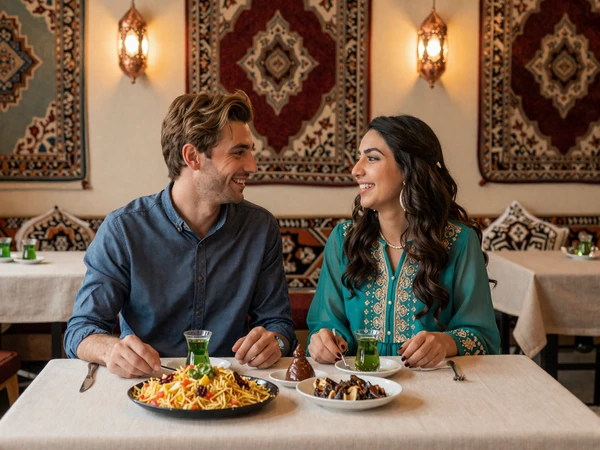
Every month, Western men and Afghan women form meaningful, lasting connections through WCAC Dating. Our Cultural Compatibility Algorithm has helped hundreds of Afghan women in the diaspora find the serious, respectful partners they deserve - resulting in over 190 marriages between WCAC members and Afghan women since our platform launched in 2020.
"I had almost given up on online dating after too many fake profiles and wasted time. Then I found WCAC and matched with Fatima, an Afghan-American doctor in Virginia. The cultural matching was incredibly accurate - we shared the same values about family and faith. After 5 months of video chatting, I flew to meet her. Her family welcomed me with open arms, Kabuli pulao, and more warmth than I'd ever experienced. We married in 2025."
Expert answers to help Western men navigate Afghan dating culture with confidence and respect
Yes, and it is increasingly common. The Afghan diaspora - spread across the United States, Canada, Europe, Australia, and the Middle East - includes millions of educated, connected Afghan women who use online platforms to find serious partners. On WCAC Dating, over 7,200 verified Afghan women are actively seeking meaningful cross-cultural relationships. The key is demonstrating genuine cultural respect, serious intentions, and an understanding of Afghan family values from your very first interaction.
Family approval is critically important - perhaps more so than in any other culture on our platform. The traditional khastegari process involves formally approaching her family to express your intentions. Even in diaspora communities, Afghan families expect to be actively involved in the relationship progression. On WCAC, successful couples typically introduce families via video chat within the first 3-4 months. Demonstrate integrity, express your intentions clearly, and treat her parents and elders with sincere respect. Afghan families are remarkably generous and welcoming once they trust your character.
Islam is central to Afghan identity, and most Afghan women practice their faith in daily life. The degree of observance varies - some women wear hijab and pray five times daily, while others practice a more personal form of Islam. WCAC's Cultural Compatibility Quiz addresses religious expectations transparently, matching you with women whose spiritual outlook aligns with your values. Many successful interfaith couples on WCAC find that shared principles of honesty, compassion, and family devotion transcend doctrinal differences.
Absolutely. WCAC has a dedicated and growing community of Afghan women from major diaspora hubs worldwide - including Fremont (California), Alexandria and Falls Church (Virginia), Toronto, London, Hamburg, Sydney, and Dubai. These verified profiles represent educated, career-oriented Afghan women who maintain deep connections to their cultural heritage while building lives in Western countries. Our cultural matching algorithm accounts for diaspora-specific factors including generation, language proficiency, and degree of traditional observance.
WCAC employs a multi-layer verification system including government ID verification, facial recognition technology, and manual review by our trained moderation team. Every Afghan profile undergoes rigorous screening before activation. Our 24/7 monitoring team watches for red flags including requests for money, attempts to move conversations off-platform, and inconsistent profile information. The result is a 99.9% scam-free environment - dramatically safer than competitors where Trustpilot reviews report 90%+ fake profiles.
Fluency is not required, especially since many Afghan women in the diaspora are bilingual or trilingual. However, learning basic phrases shows extraordinary cultural respect. Try 'Salaam' (hello), 'Tashakur' (thank you in Dari), 'Manana' (thank you in Pashto), and 'Zendagi ba shaash' (life is beautiful in Dari). WCAC's real-time Dari-English and Pashto-English translation feature bridges any remaining language gaps during chat, ensuring communication flows naturally from your very first conversation.
While Afghan women share certain cultural elements with Pakistani and Tajik women, several factors create a distinctly Afghan identity. The Pashtunwali honor code - with its emphasis on hospitality, courage, and protection of family dignity - is uniquely Afghan. The Afghan poetic tradition, from Rumi to the landay folk poems of Pashtun women, reflects an extraordinary depth of emotional expression. Afghan cuisine has its own distinctive character through dishes like Kabuli pulao, mantu, and bolani. And the resilience forged through decades of adversity gives Afghan women a remarkable inner strength and gratitude for genuine human connection.